
Anglo-Saxons
-
Picts, Britons and Anglo-Saxons: The Supremacy of Onuist, Part II
By the year 741, the land north of the Forth-Clyde line, including that of the Dal Riadan Scots, was under the authority of Onuist, King of the Picts. To the south lay the territories of the two other powers of the time: the Northumbrian English and the Strathclyde Britons. This post will take a brief… Continue reading
-
Nechtan mac Derilei: King Naiton of the Picts
The Pictish Civil War Part II As set out in last post on here, the figure generally known as Nechtan became in 706 the second of Derilei’s sons to sit on the Pictish throne. Unlike his brother, Bridei, he is described in the sources as king of Picts (not Fortriu)[1]. The name Nechtan is the… Continue reading
-
Derilei, Mother of Kings
The Pictish Civil War Part I As with the European royal families in more recent times, the ruling classes on the island of Britain in the period before the formation of Scotland and England were often linked by birth. The Anglo-Saxon kingdom of Northumbria had risen to prominence in the 7th century and many of… Continue reading
-
Dun Nechtain, 685 – Part 2: Cuthbert in Carlisle
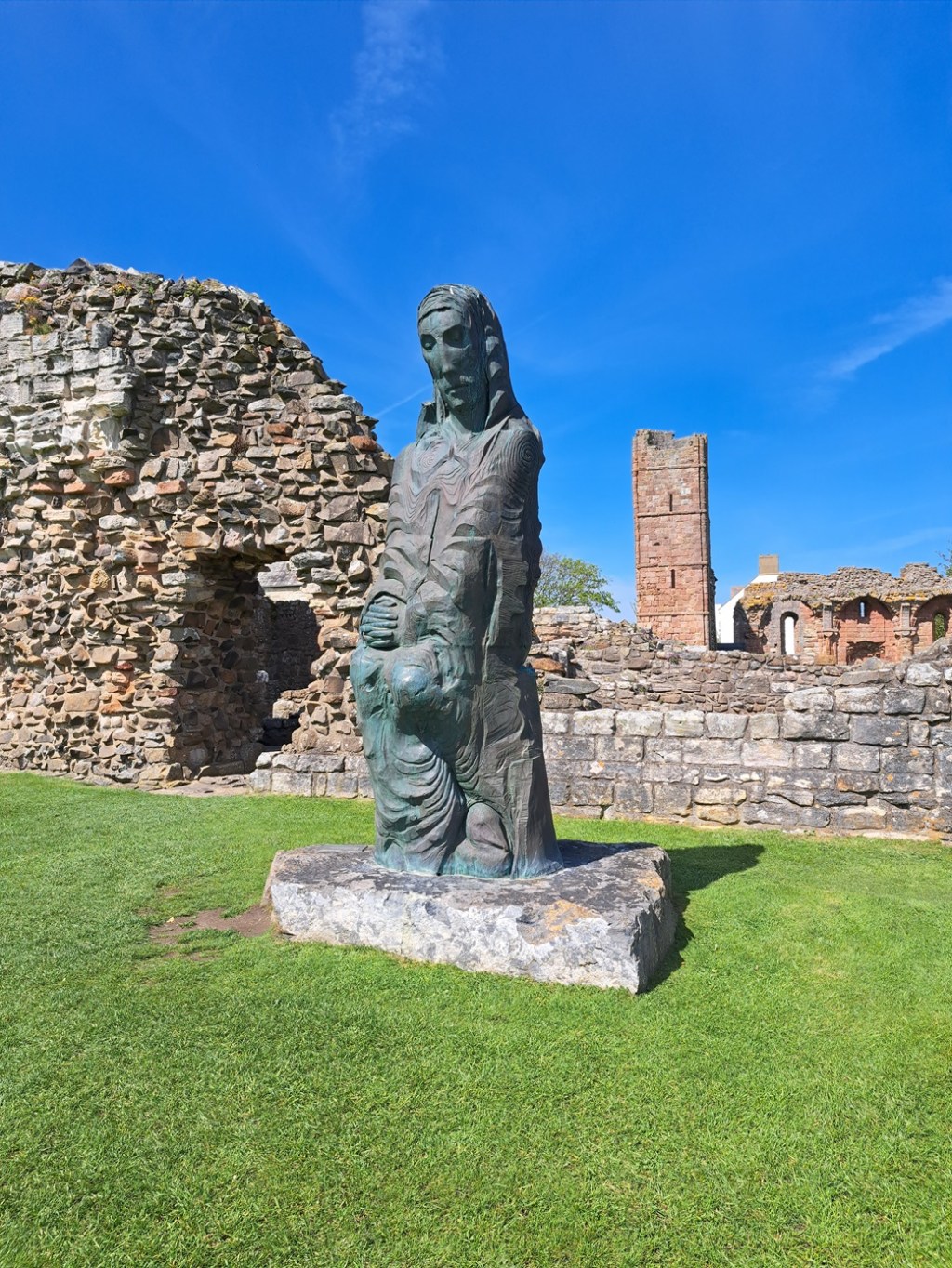
In the previous post about the Battle of Dun Nechtain, I noted how, according to Bede at least, Cuthbert very much opposed King Ecgfrith’s belligerent advance into Pictland – however far north into the territory that was. This follow-up post deals with a couple of related and rather eerie tales about Cuthbert and the demise… Continue reading
-
Dun Nechtain, 685
The narrative of history occasionally tells of battles whose outcome can justifiably claim to have determined the future. One such battle took place on 20 May 685 somewhere in what is now Scotland, between the Northumbrian English, led by their king Ecgfrith (Ecgfrið), and the Picts, led by Bridei, son of Beli. It is usually… Continue reading
-
The British Isles at the end of the 7th Century
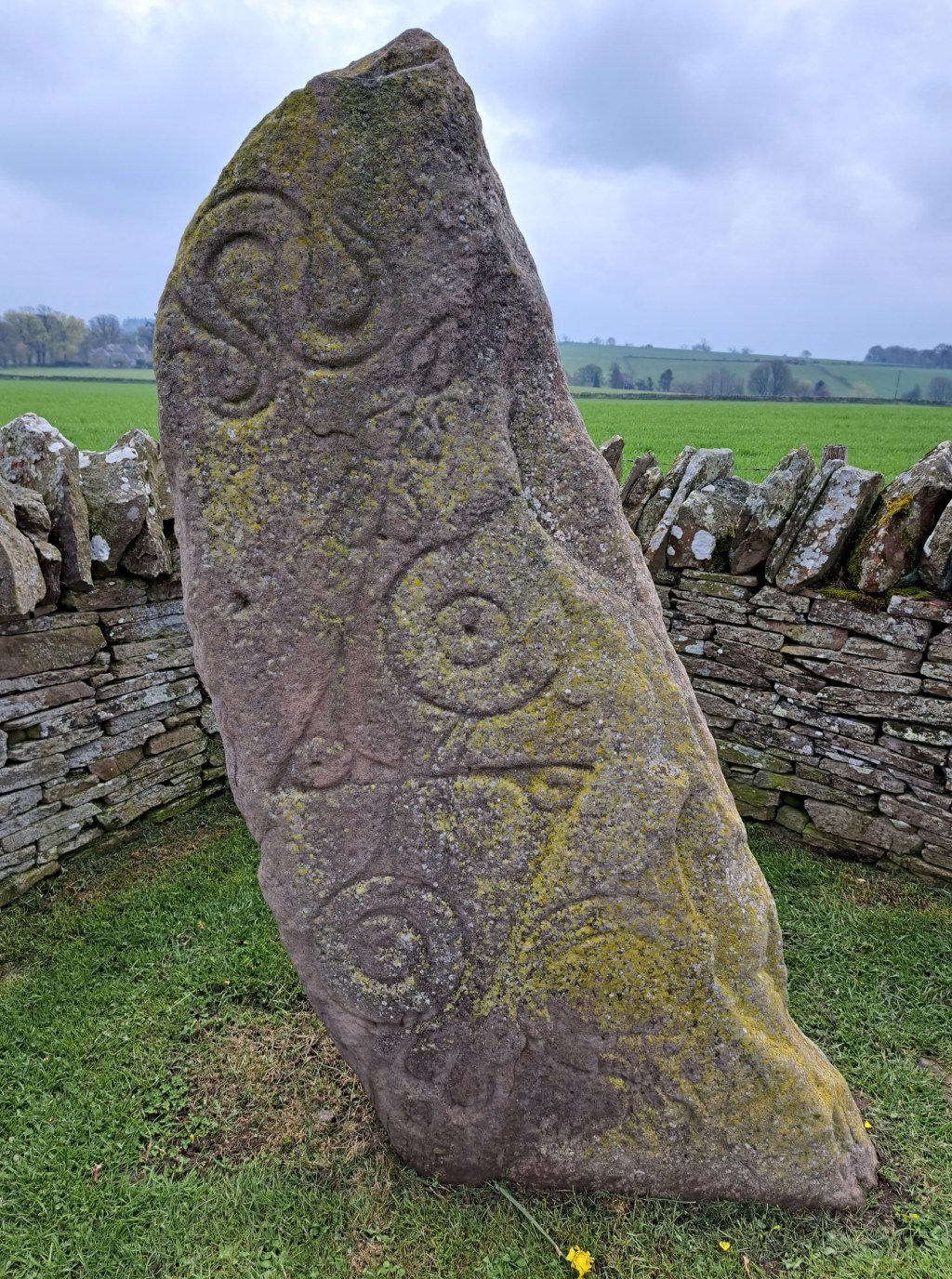
Bede writes of the five different languages being spoken in northern Britain in the 8th century. These are the languages of the Anglorum, Brettonum, Scottorum, Pictorum et Latinorum*. The first four of these link to distinct groups of people (the English, The Britons, The Scots and The Picts), while the last one is of course… Continue reading
 The Northern Tapestry